
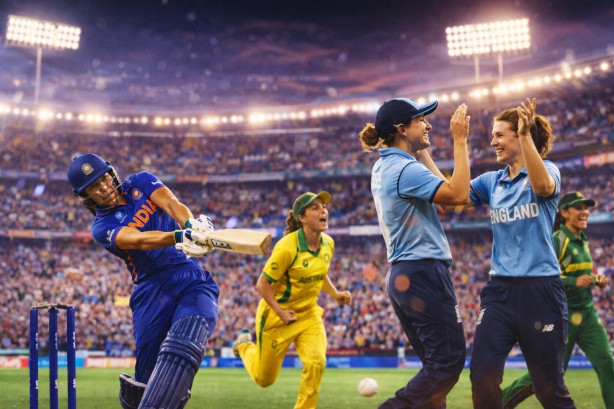
Women’s cricket has witnessed a massive transformation over the last decade. What was once considered a niche sport is now drawing global audiences, lucrative sponsorships, and strong grassroots participation. The growth of women cricket is no longer a future prediction—it is happening right now. From packed stadiums to record-breaking TV viewership, women’s cricket is emerging as one of the fastest-growing sports segments worldwide.
This article explains why women’s cricket is growing fast, the key factors behind its success, and what the future holds for the game.
1. Increased Media Coverage and Broadcasting Deals
One of the biggest reasons for the growth of women cricket is improved media exposure. Earlier, women’s matches received minimal broadcasting attention. Today, major sports networks and digital platforms regularly stream women’s international matches and leagues.
High-profile tournaments like the Women’s World Cup and Women’s T20 leagues now enjoy prime-time slots. Social media platforms such as YouTube, Instagram, and X (Twitter) further amplify player visibility, helping fans connect with athletes beyond the field.
Impact:
-
Higher viewership numbers
-
Increased fan engagement
-
Better brand value for players and teams
2. Rise of Women’s T20 Leagues Worldwide
The launch of professional women’s T20 leagues has played a crucial role in accelerating the growth of women cricket. Leagues like the Women’s Premier League (WPL), The Hundred (Women), and Women’s Big Bash League (WBBL) have changed the game.
These leagues provide:
-
Competitive platforms for young talent
-
Financial security for players
-
Global exposure through international signings
Shorter T20 formats are fast-paced and audience-friendly, making them ideal for attracting new fans.
3. Strong Support from Cricket Boards
Cricket boards across the world are now investing heavily in women’s cricket. Equal access to facilities, improved coaching staff, better travel arrangements, and centralized contracts have created a professional environment.
Boards like BCCI, ECB, and Cricket Australia have:
-
Increased match fees
-
Introduced pay hikes and annual contracts
-
Promoted women’s cricket at the grassroots level
This institutional backing has directly contributed to the growth of women cricket at both domestic and international levels.
4. Inspiring Role Models and Star Players
Star players play a huge role in popularizing any sport, and women’s cricket now has several global icons. These players inspire young girls to take up cricket professionally and believe in long-term career opportunities.
Their performances in high-pressure matches, leadership qualities, and off-field presence have helped reshape perceptions about women’s cricket.
Read for More Blog – Top Indian Women Cricketers 2026
Why this matters:
-
More girls are enrolling in academies
-
Strong fan loyalty toward players
-
Higher merchandise and sponsorship value
5. Improved Quality and Competitiveness of Matches
Another major factor behind the growth of women cricket is the significant improvement in match quality. Fitness levels, fielding standards, tactical awareness, and batting power have improved drastically.
Matches are now:
-
More competitive
-
Less predictable
-
Higher scoring and entertaining
As the skill gap between teams reduces, fans enjoy closer contests, which boosts viewership and engagement.
6. Changing Social Mindsets and Gender Equality
Societal attitudes toward women in sports have evolved positively. Families are now more supportive of girls pursuing professional sports careers. Schools and colleges promote women’s sports through structured tournaments and scholarships.
Read for more Blog – Pakistan Team Analysis 2026 for T20 WC
Women’s cricket has become a symbol of empowerment, encouraging participation beyond urban centers. This cultural shift has significantly fueled the growth of women cricket globally.
7. Commercial Sponsorships and Brand Interest
Brands are increasingly investing in women’s cricket due to its rising popularity and loyal fan base. Sponsorships, endorsements, and advertising deals have grown substantially in recent years.
Why brands love women’s cricket:
-
Strong emotional connection with audiences
-
Positive brand association with equality and empowerment
-
Rapidly expanding viewership demographics
This commercial backing ensures long-term financial sustainability for the sport.
8. Grassroots Development and Youth Programs
Cricket boards and private academies are focusing on nurturing talent at the grassroots level. Dedicated women’s tournaments, age-group competitions, and talent scouting programs have strengthened the talent pipeline.
As a result, the growth of women’s cricket is no longer dependent on a few countries—it is becoming a truly global phenomenon.
Future of Women Cricket
The future of women’s cricket looks extremely promising. With more leagues, better pay parity, improved infrastructure, and global fan support, the game is set to reach new heights.
Experts predict:
-
Expansion of women’s leagues
-
More international bilateral series
-
Increased ICC funding and initiatives
Women’s cricket is not just growing fast—it is redefining the future of the sport.
FAQs on the Growth of Women Cricket
1. Why is women’s cricket growing so fast?
Women’s cricket is growing fast due to better media coverage, professional leagues, strong board support, and changing social attitudes toward women in sports.
2. Which leagues have contributed most to the growth of women’s cricket?
Leagues like the WPL, WBBL, and The Hundred have played a major role by providing exposure, financial stability, and competitive platforms.
3. Is women’s cricket financially sustainable?
Yes, with increasing sponsorships, broadcasting deals, and ticket sales, women’s cricket is becoming financially sustainable.
4. How does media coverage affect women cricket growth?
Greater media coverage increases visibility, attracts sponsors, and builds a loyal fan base, directly boosting the growth of women’s cricket.
5. What is the future of women cricket?
The future includes more leagues, higher pay, global expansion, and stronger grassroots systems, making women’s cricket a mainstream sport.